Thinking about buying a diamond?
What is a Gemological Certificate?
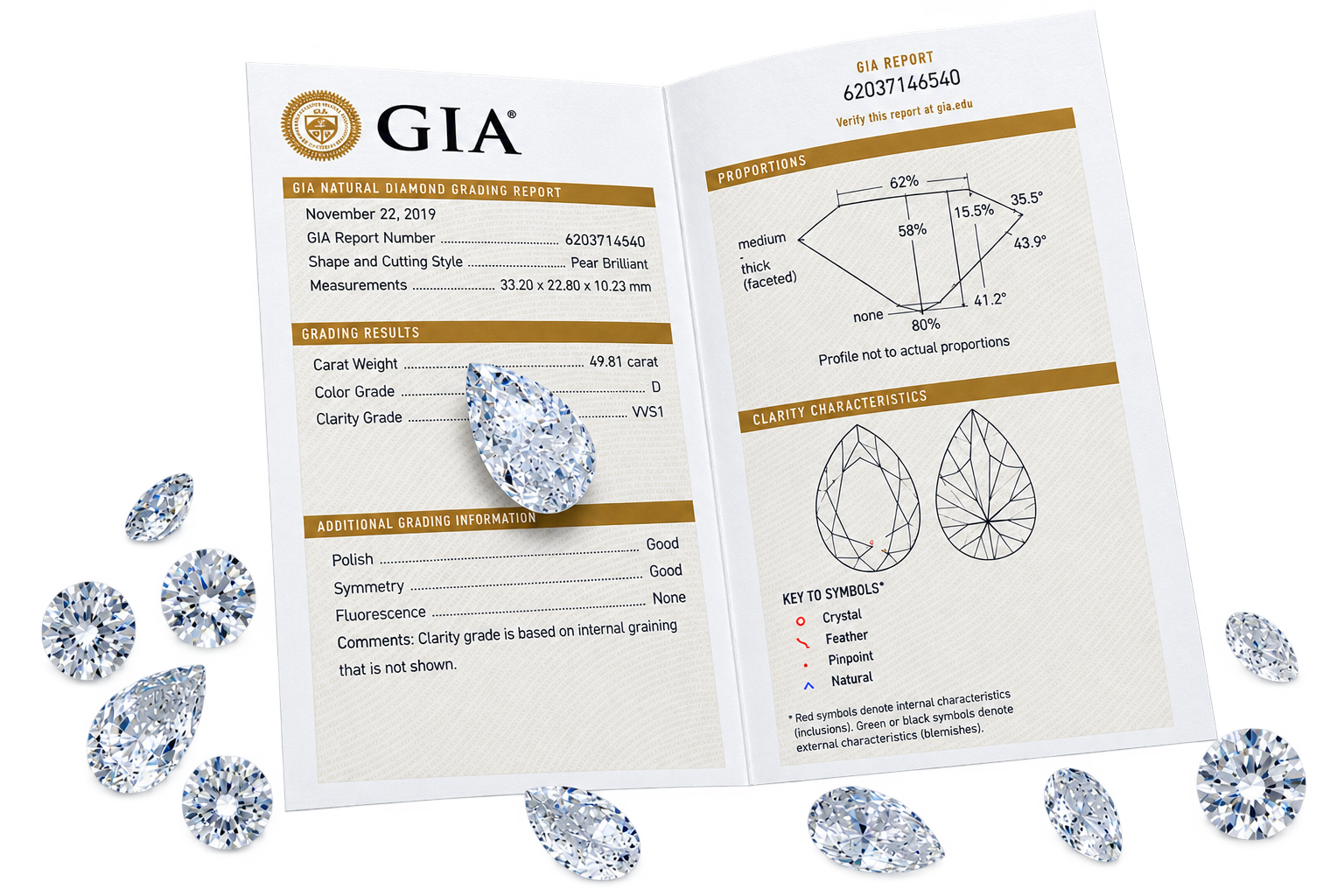
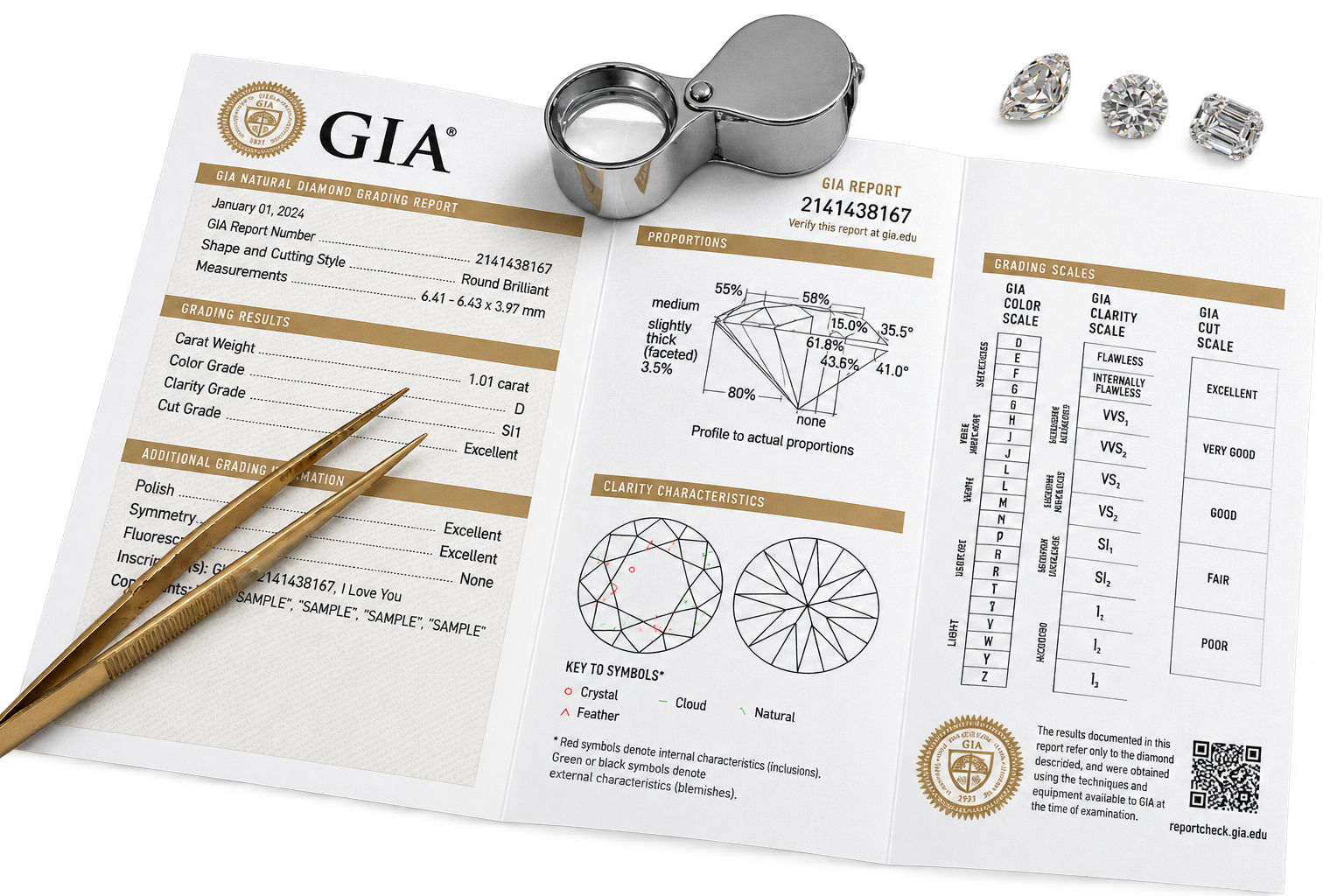
A certificate is an important tool that works as a gemstone’s “technical identification.”
There are different institutions that issue them; however, not all laboratories meet the same level of rigor and standards.
It is a report issued by a specialized laboratory that analyzes specific characteristics of a diamond or gemstone, such as:
- Carat weight
- Color
- Clarity
- Cut
- Proportions
- Fluorescence
- Inclusions
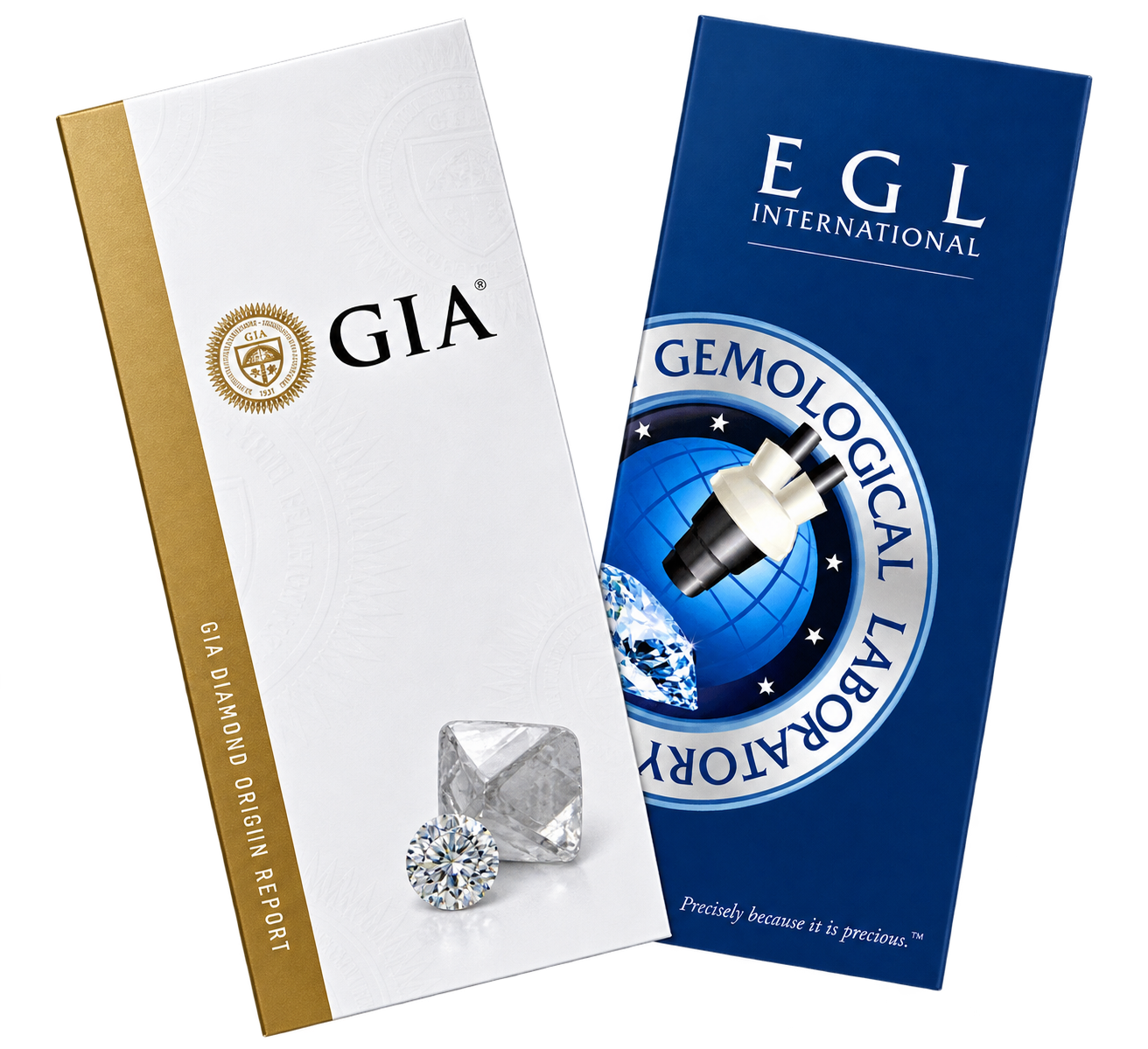
GIA vs EGL
GIA: Gemological Institute of America
- GIA is considered the strictest and most consistent standard in the industry.
- It is the most internationally recognized laboratory and serves as the primary benchmark used by a large portion of the global market.
Key characteristics
- More conservative and stringent grading standards
- Higher international trust
- Better acceptance for resale and investment purposes
- Benchmark used by the Rapaport market
Generally, a diamond certified by GIA carries greater credibility and tends to maintain stronger value stability in the market.
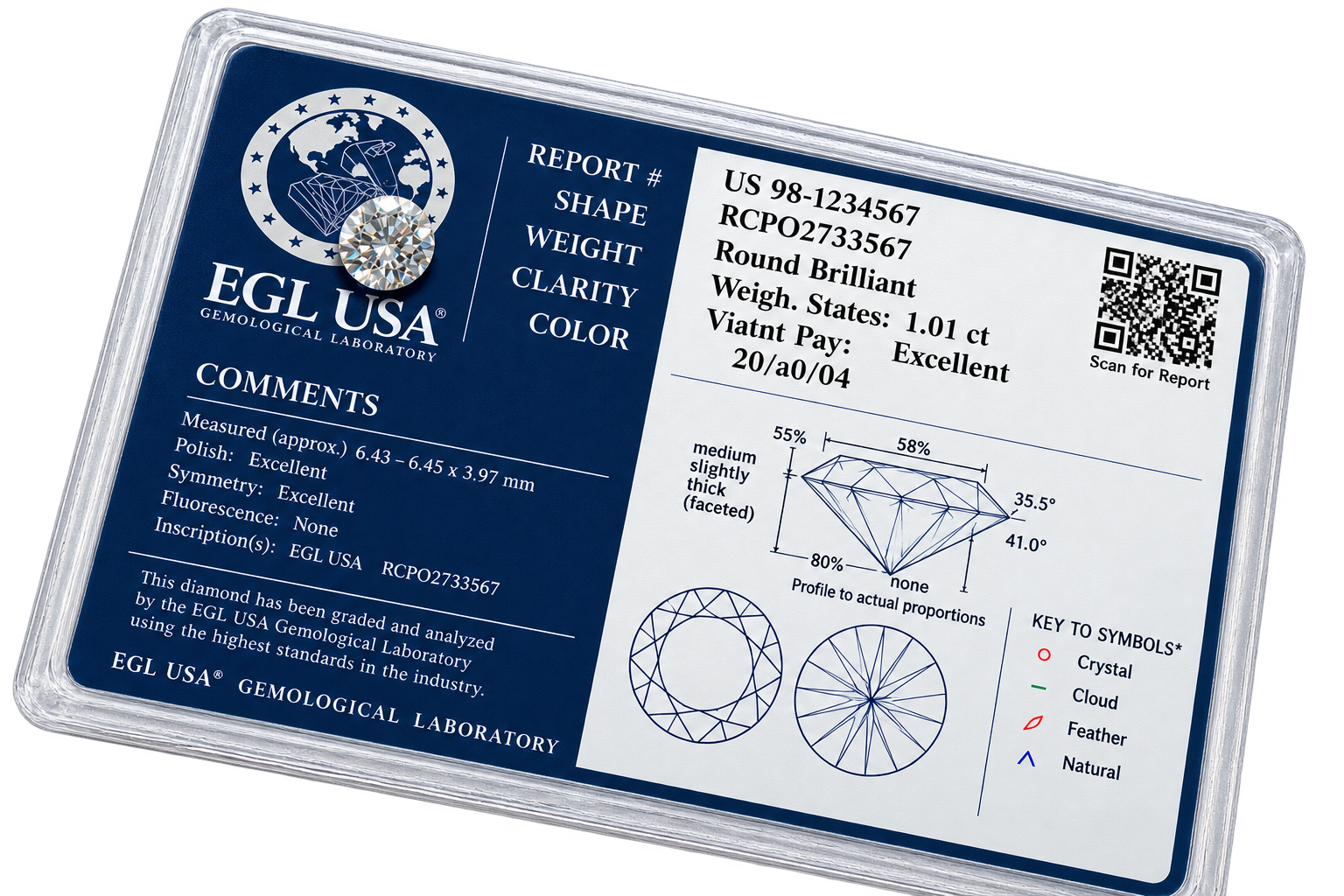
EGL: European Gemological Laboratory

- EGL operates under a decentralized structure, with different branches and independent laboratories across various regions.
- This means that grading standards and consistency can vary significantly from one office to another.
For this reason, there is a perception within the industry that some EGL certificates may be more lenient in color, clarity, or cut grading compared to GIA standards.
What is Rapaport?
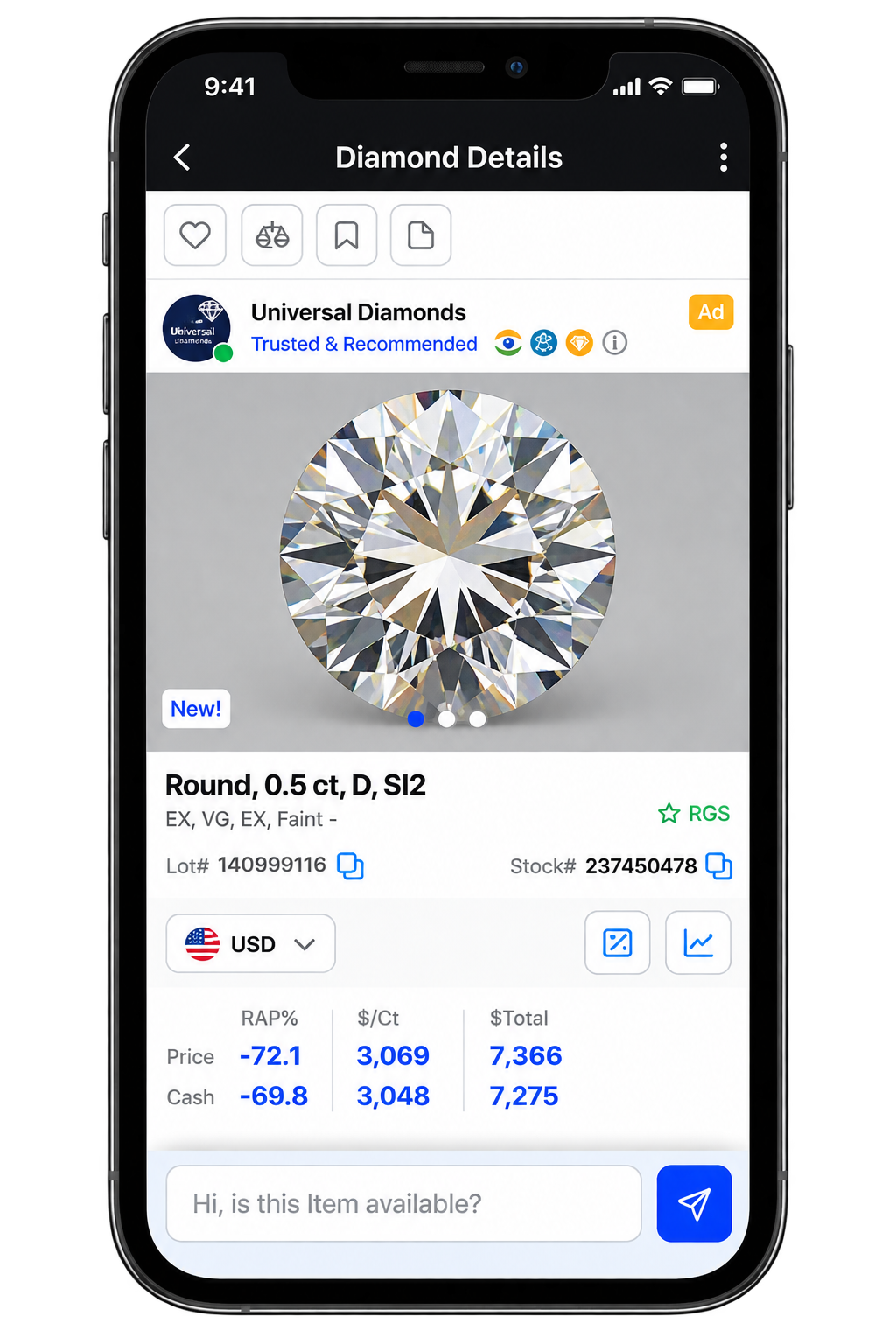
- Rapaport is one of the most important international benchmarks for diamond valuation and price comparison in the market.
- The Rapaport Diamond Report serves as a pricing guide used by traders, investors, and industry professionals to compare gemstones based on their characteristics.
Although it does not define the exact value of a diamond, it strongly influences how gemstones are perceived and traded in the market.
Rapaport primarily uses GIA standards as its reference point.
The Most Important Thing: Every Gemstone is Unique
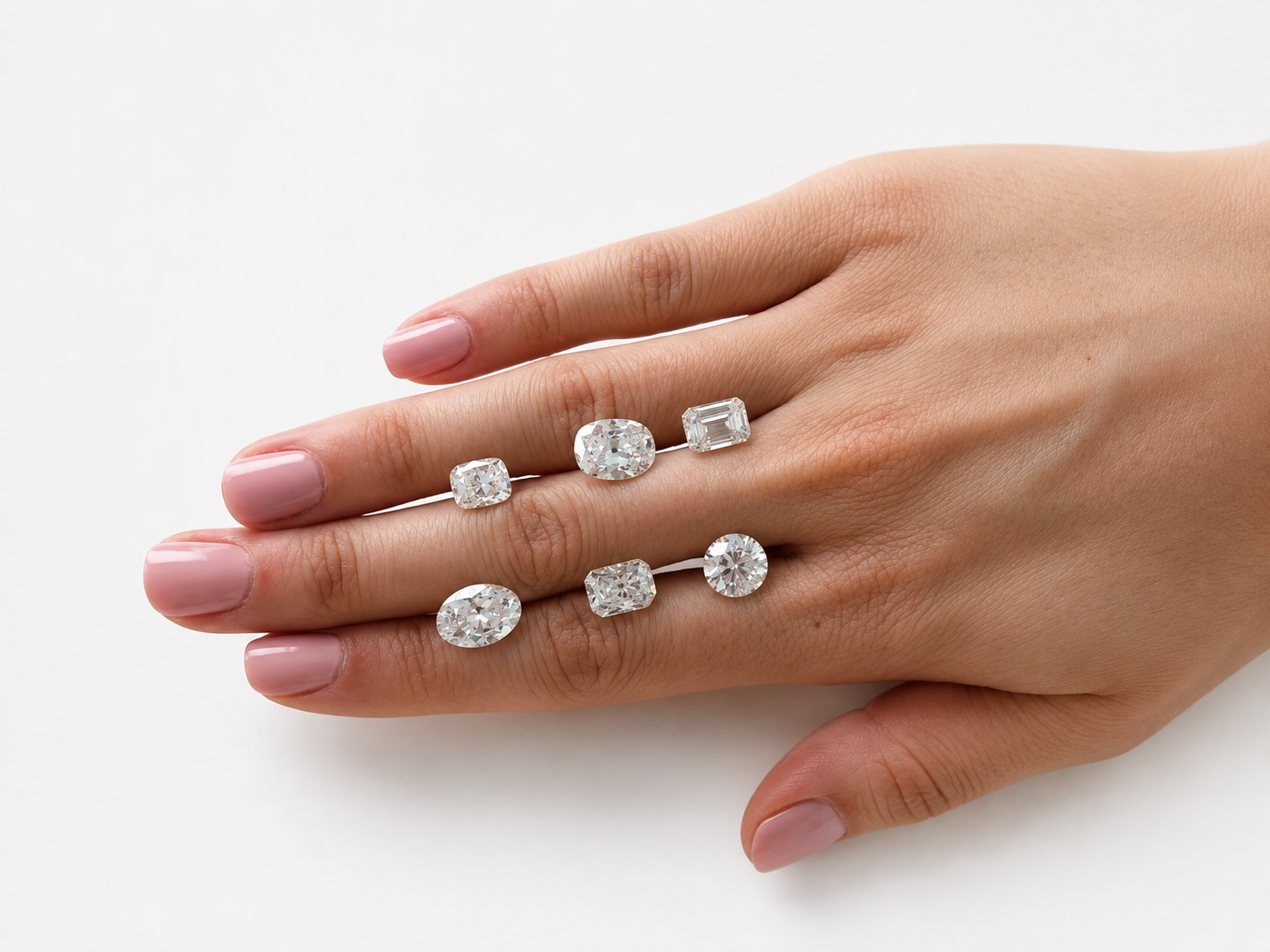
Two gemstones with exactly the same grading can look completely different due to factors such as:
- Brilliance
- Life
- Transparency
- Light pattern
- Visual symmetry
- Presence of visible inclusions
- How the stone reflects light in motion
For this reason, the certificate is only one part of the decision.
How to Make a Good Decision?
A certificate should never be the sole criterion when purchasing important diamonds, especially in larger stones, because:
If it is for investment:
- Prioritize strong and well-recognized laboratories
- Look for market consistency
- Consider future liquidity
- Analyze true resale value
If it is for personal use:
The best gemstone is not always the one with “the best paper,” but the one with “soul”—the one that moves you emotionally and has presence.
There are spectacular diamonds that, on paper, may seem average; and there are also diamonds with impressive certificates that do not create the same visual impact when seen in person.
What are Professional Appraisals?
Gemological certificates describe the technical characteristics of a gemstone, but they are not designed to determine the commercial value of a finished piece of jewelry.
Appraisals are independent and provide a professional valuation based on:
- The characteristics of the gemstones
- Precious metals used
- Design and craftsmanship
- Market conditions
- Replacement value
As part of a comprehensive service, Isabel Herrera can assist you in managing the appraisal process for your pieces through specialized and independent certified appraisers.
What Is an Appraisal For?
- To insure a piece of jewelry
- To update the value of a collection
- For estate or inheritance procedures
- For buying or selling important pieces
- To determine the replacement value of a jewel
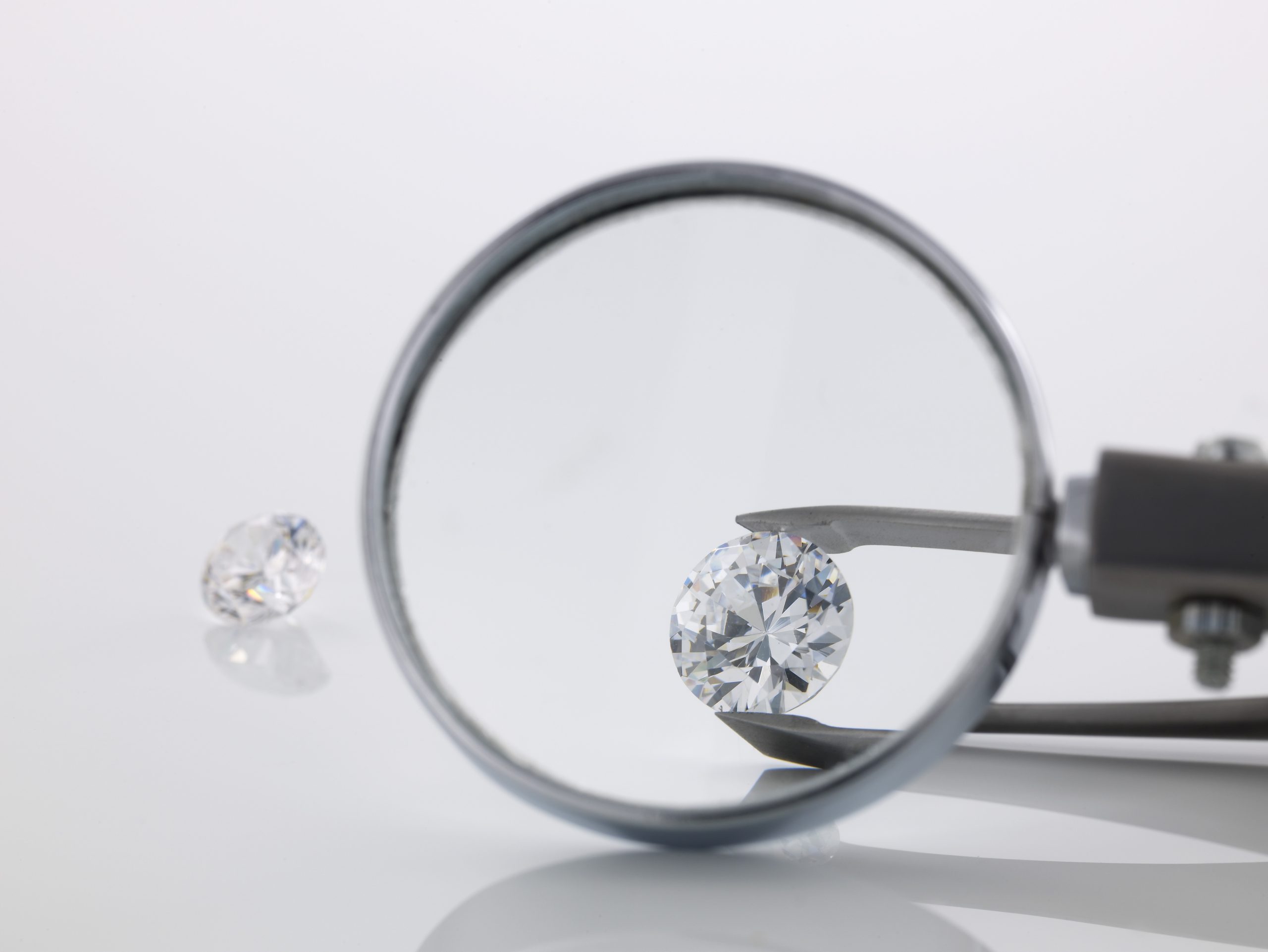
Did you know?
In countries such as the United States, jewelry can be considered insurable assets, which is why having an appraisal is often a requirement.
Why Trust Isabel Herrera?
Identifying an exceptional gemstone requires experience, judgment, and sensitivity.
At Isabel Herrera, each gemstone is personally selected and evaluated, considering not only what the certificate states, but also what the stone conveys in real life.
Transparency is always a fundamental part of the process. Our commitment is to help you truly understand what you are purchasing, to explain every detail with honesty, and to recommend the best option based on your goal, whether it is investment, collecting, or personal use.
Beyond the certificate, a great stone must have soul.